In the summer of 2026, the "Zhiyuan" Overseas Social Practice Team from the International Campus, Zhejiang University, traveled to Ethiopia and Indonesia to conduct field research on cross-border cooperation under the Belt and Road Initiative.
Among the participants, Ji Huangchang, a 2025 doctoral student in Power Engineering and Engineering Thermophysics, took part in the fieldwork in Ethiopia, while Zhang Yueteng, a 2026 doctoral student in Computer Science and Technology, took part in the fieldwork in Indonesia. Drawing on their respective academic backgrounds, they visited companies, universities, and other institutions to examine how Chinese technologies, engineering expertise, and talent development practices are adapted to local needs.
▲
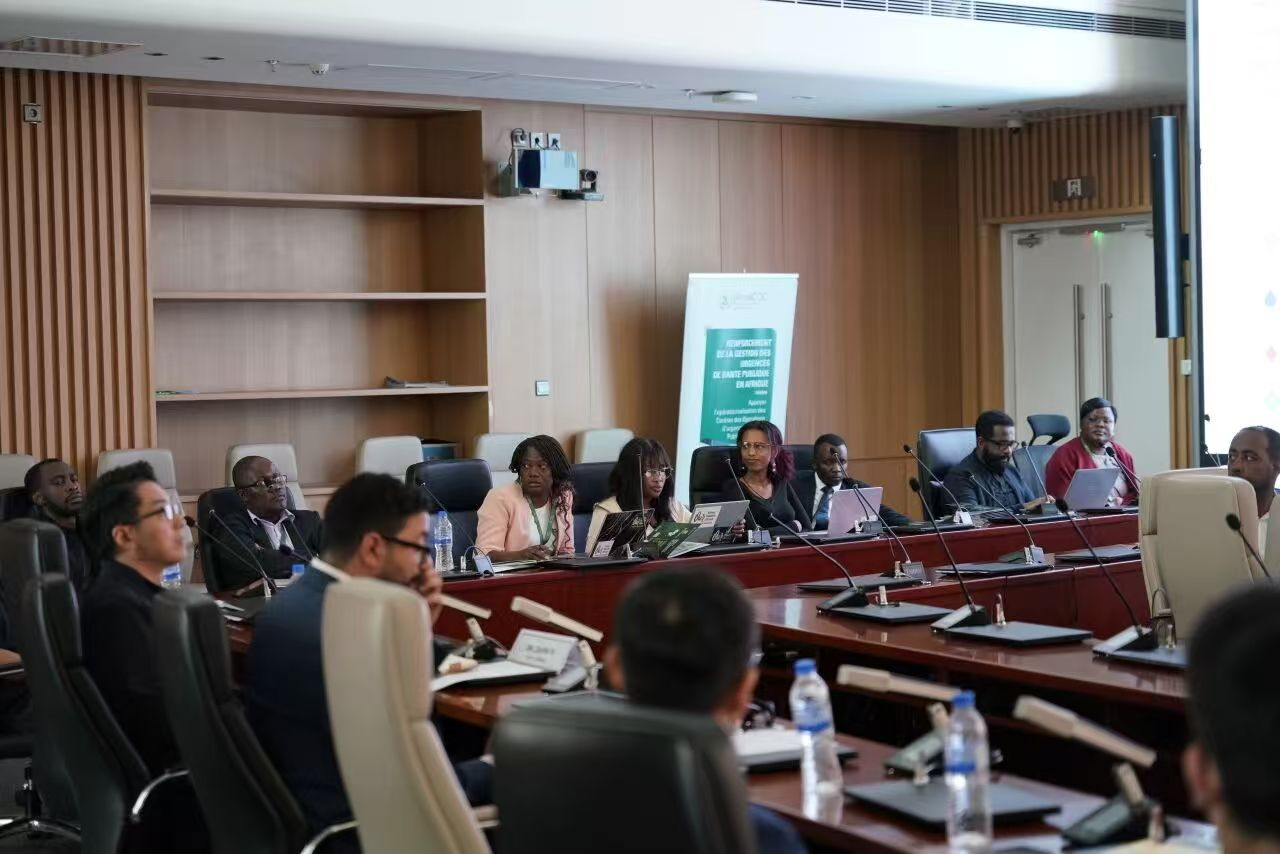
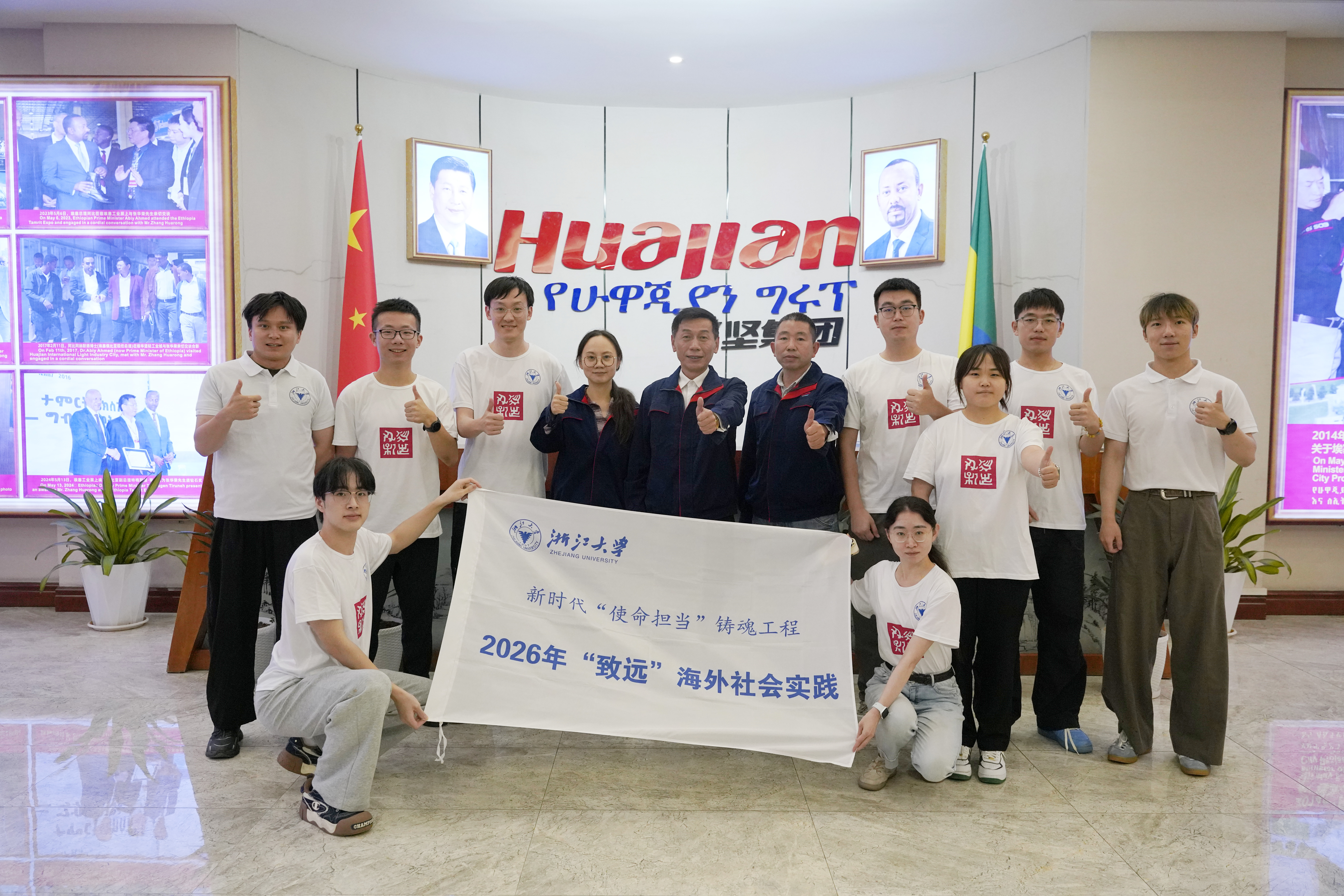
In Ethiopia, Ji toured Shangtex Garment Manufacturing Ethiopia PLC, Transsion Manufacturing PLC, Huajian Group, and the Bishoftu International Airport Project. They also held discussions at the Africa Centres for Disease Control and Prevention (Africa CDC) on public health governance, epidemic surveillance and early warning, and international cooperation.
Through these visits, Ji observed that Chinese companies are shifting from project delivery toward deeper localization. Local employees are increasingly taking on production, technical, and managerial responsibilities, while Chinese staff focus more on guidance and quality assurance. For Ji, the experience drove home a key insight: meaningful technology transfer depends not only on equipment and processes, but on whether local teams can master, maintain, and further develop them over time. It also prompted him to reflect on how knowledge in mechanical and energy engineering can be tested and applied in real industrial settings.
▲
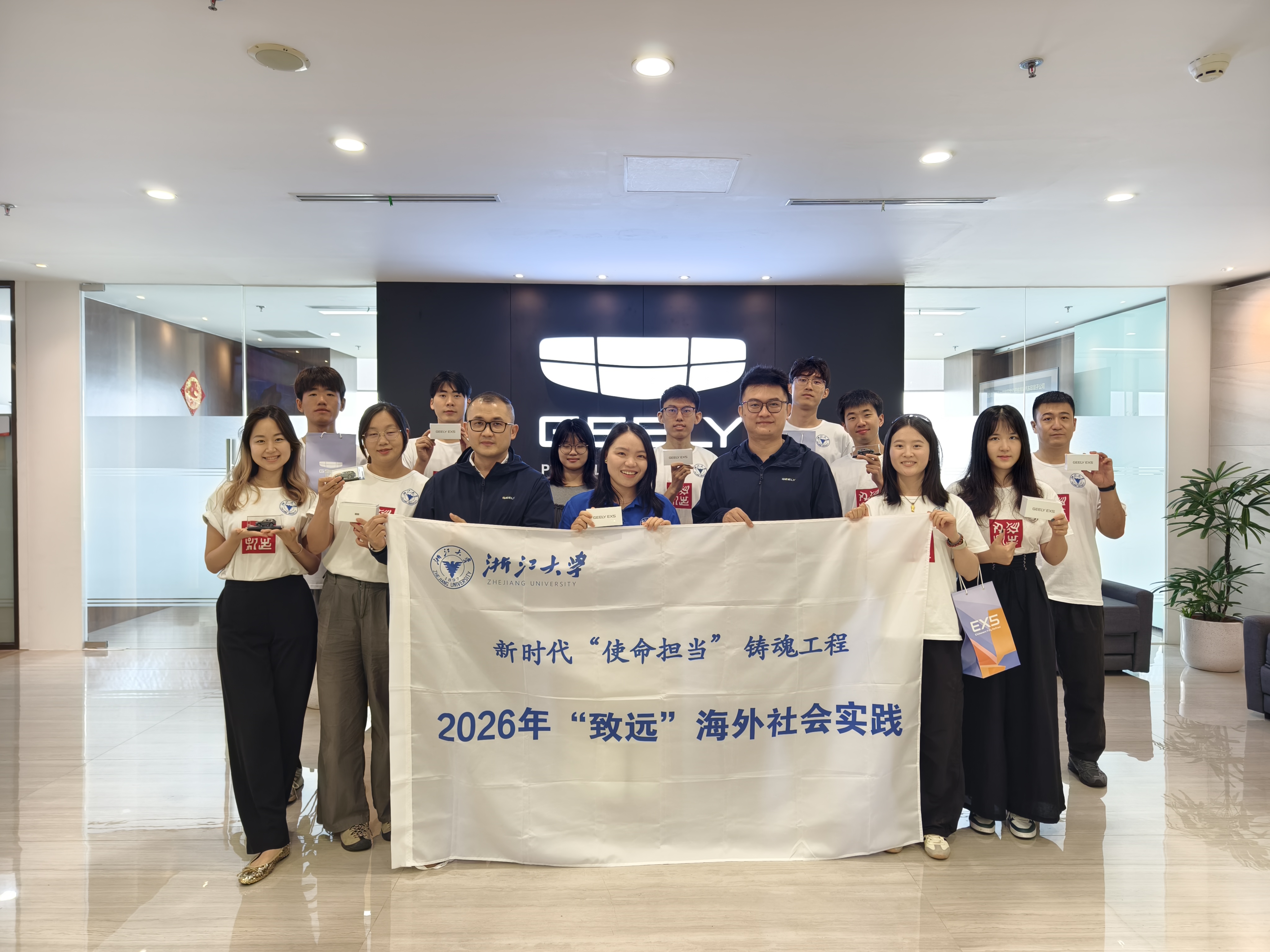
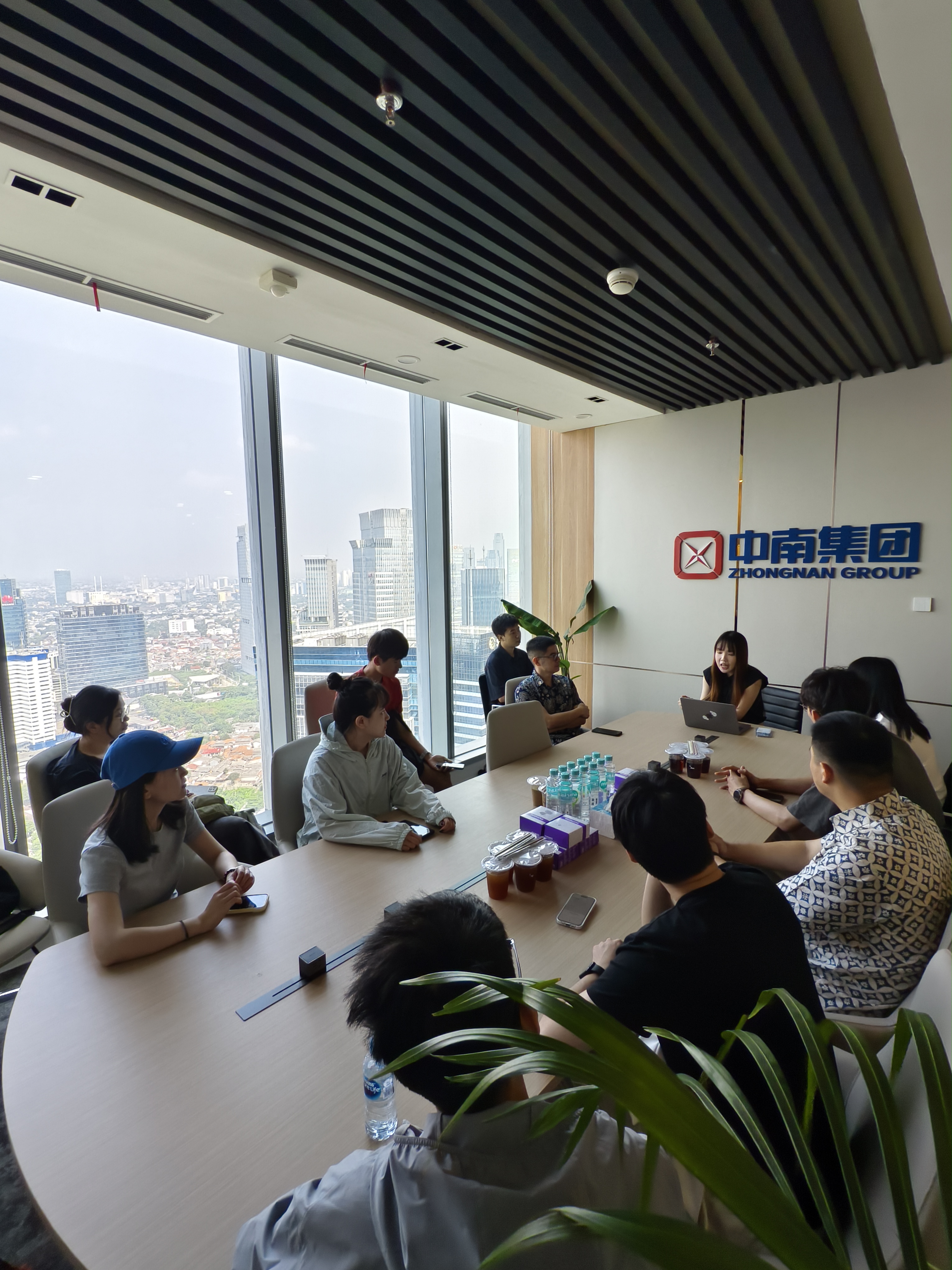
In Indonesia, Zhang and his team visited SUPCON Technology, Hexing Electrical, Zhongnan Group, Huawei, and Geely to learn about their local operations. Although the companies span different sectors, a common theme ran through the visits: entering a new market is only the first step. The greater challenge lies in adapting technologies and services to local needs while building the teams, service networks, and partnerships required for sustainable operations.
Across these five companies, the Zhang saw firsthand how Chinese firms localize their technologies, products, and services. Despite industry differences, many share similar priorities like strengthening local service capacity, training local talent, adapting supply chains and business processes, complying with local regulations, and collaborating closely with customers and regional partners. The visits made clear that long-term success overseas depends not simply on bringing technology into a new market, but on cultivating the local capabilities needed to support, maintain, and continuously improve it.
▲
▲
From industrial automation and power systems to manufacturing, infrastructure, and communications, Zhang saw that successful technology transfer hinges on far more than the technology itself. Data quality, infrastructure, business processes, workforce capabilities, and cross-team coordination all shape whether a solution can work effectively in practice. The experience gave him a more complete picture of how computer technologies move from the lab into real-world industrial applications.