Recently, the Ministry of Education announced the results of the Third Batch of National First-Class Undergraduate Courses, with a total of 5,994 courses approved. Zhejiang University continued to perform strongly, with 63 courses selected. Notably, ZJUI’s Introduction to Computing: Engineering & Science (CS101) and Digital Systems Laboratory (ECE385) were designated as National First-Class Offline Undergraduate Courses.
Introduction to Computing: Engineering & Science (CS101) is a first-year programming course instructed by ZJUI Assoc. Prof. Wee-Liat Ong. This course is designed to provide a solid foundation in computer science, covering core concepts such as fundamental principles, key algorithms, data structures, and programming methodologies. It places a strong emphasis on using Python and MATLAB to solve real-world problems in physical sciences and engineering, effectively preparing students for more advanced studies in the field.
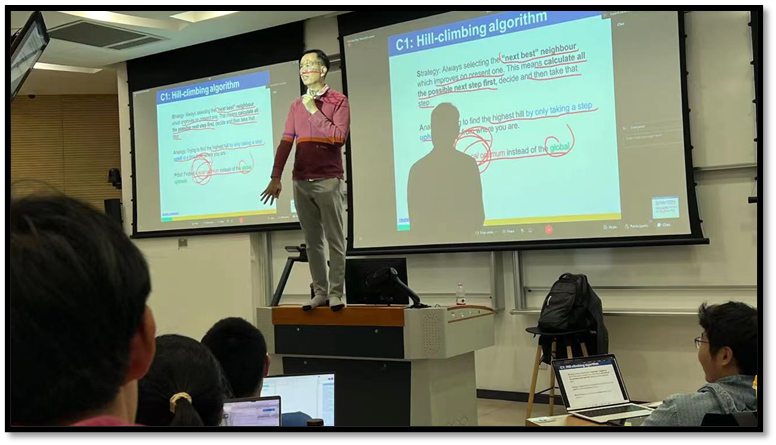
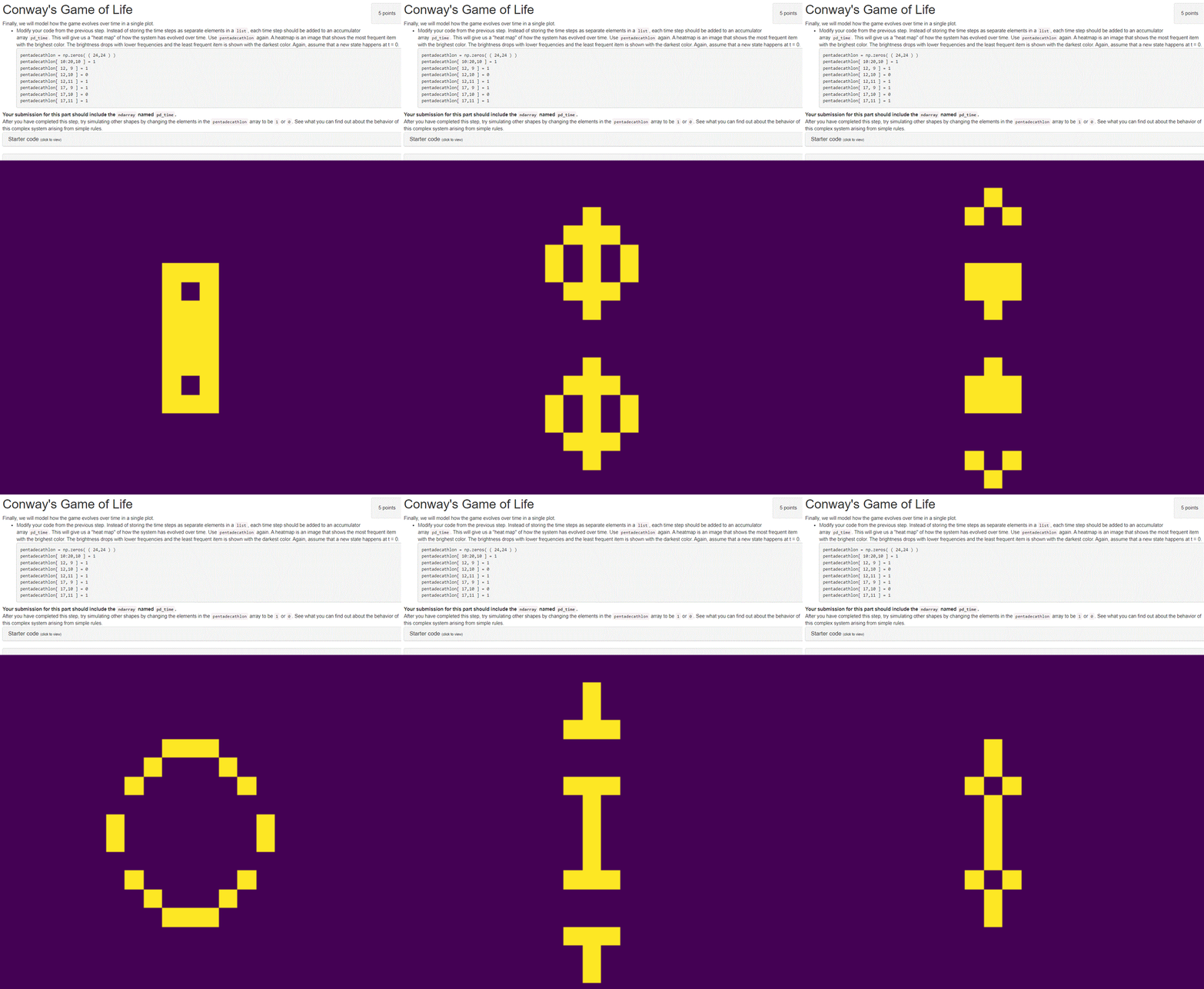
Boasting a robust hands-on learning method, interdisciplinary perspective, and student-centric atmosphere, CS101 offers a truly distinctive educational experience. Through homework assignments and lab projects, students can apply programming skills to tackle cross-disciplinary, real-world problems spanning physics, biology, mathematics, and more. The course also features weekly engaging programming tasks and Jupyter-based lab exercises, providing students with invaluable hands-on experience while also encouraging them to reinforce their algorithmic knowledge through a "learning by doing, playing by learning" approach.
Digital Systems Laboratory (ECE385) is taught by ZJUI Assoc. Prof. Li Chushan and is offered to junior-level students. Throughout the course, students learn the design principles of digital control systems and develop solid embedded systems development skills that integrate hardware and software. They also gain proficiency in hardware description languages (HDLs), including SystemVerilog, while honing comprehensive digital system design and debugging capabilities.
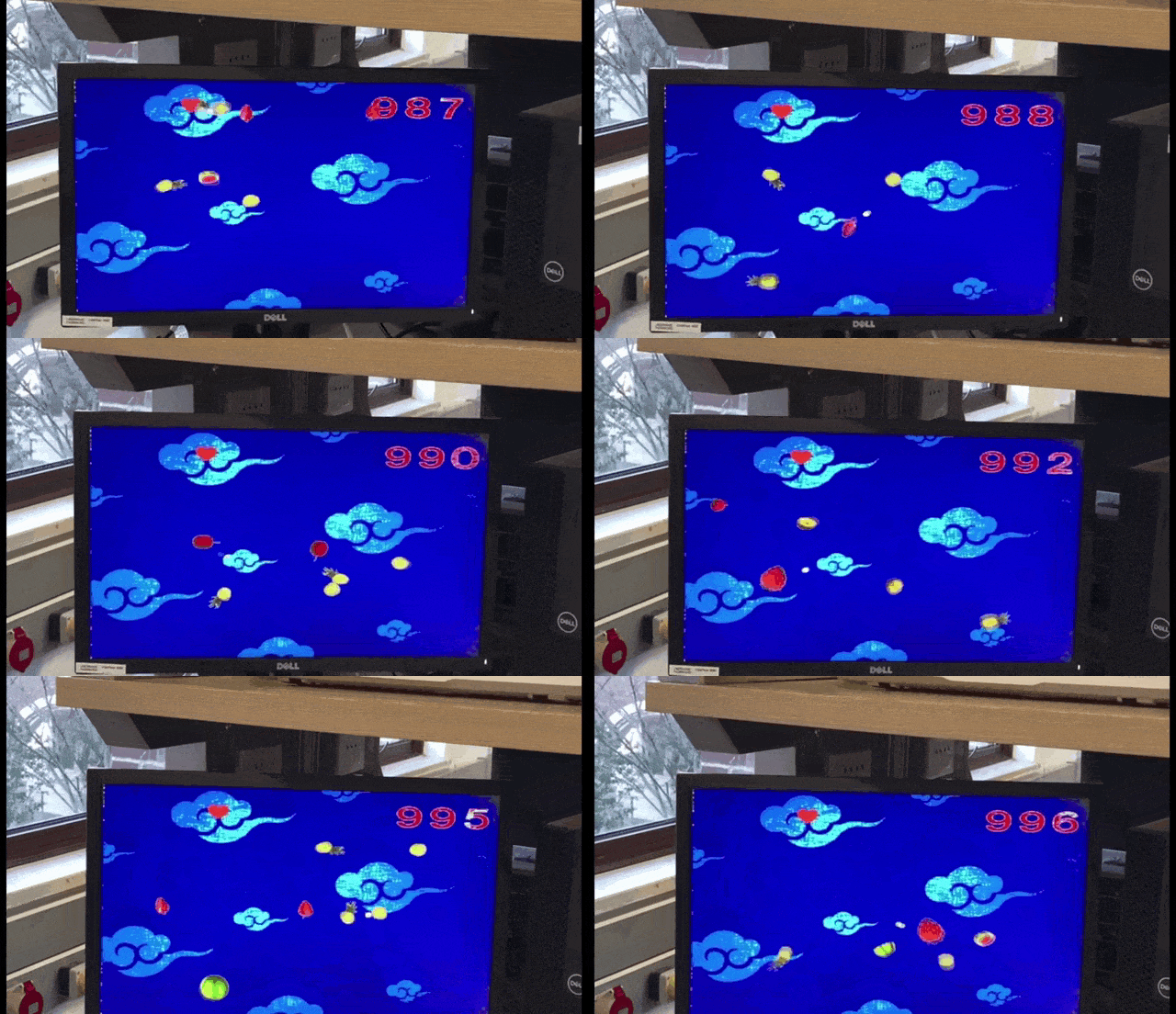
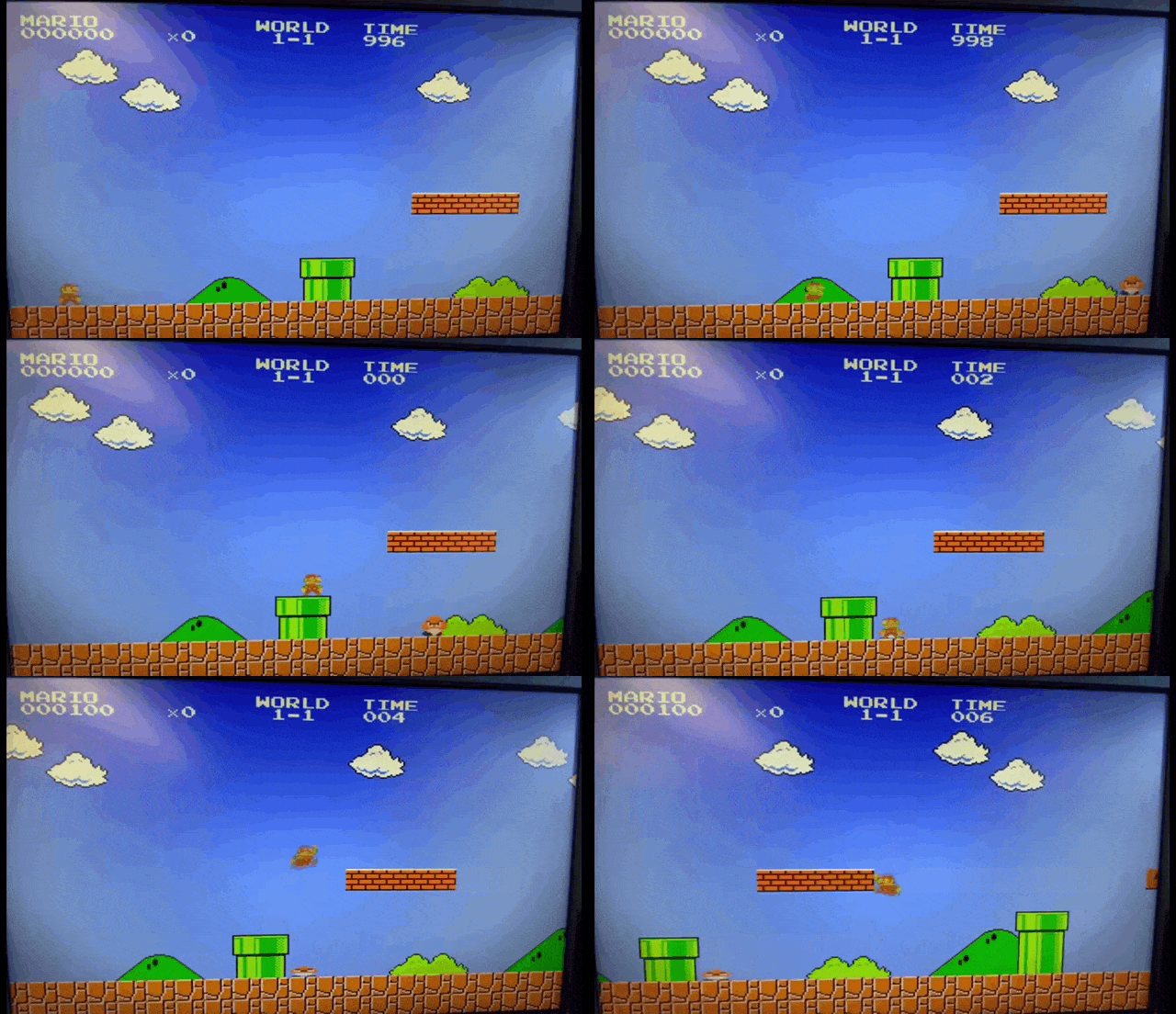
Built on a East-West integrated curriculum system, the course features highly open-ended final assignments, all designed to spark students’ initiative and creative potential. Over the years, student projects have included technically impressive innovations like 3D graphics accelerators and classic handheld video game replicas, a testament to the course’s unique value in nurturing both engineering excellence and innovative thinking.